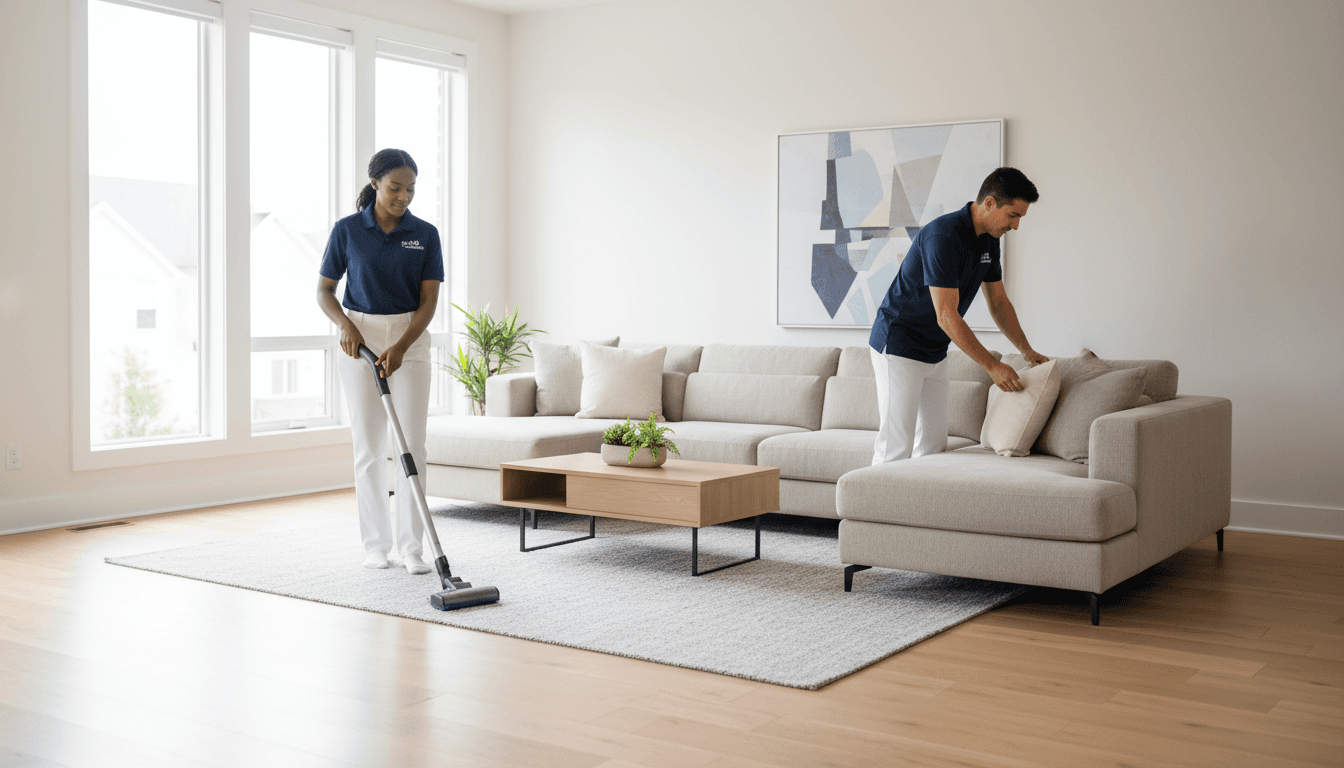
Effective cleaning for allergies focuses on removing triggers through damp-dusting, using HEPA-filtered vacuums, and washing bedding weekly in hot water. Homeowners should also prioritize reducing soft surfaces like heavy drapes and maintaining indoor humidity levels below 50 percent to prevent the growth of mold and dust mites.
Many homeowners in Carbon County find themselves trapped in a cycle of morning congestion and persistent sneezing, even when their living spaces appear tidy. This frustration often stems from microscopic triggers like dust mites, pollen, and pet dander that settle deep into surfaces rather than disappearing. Effective allergy management requires more than a quick sweep; it demands a specialized approach tailored to our unique high desert climate. In this guide, we will explore why damp cleaning consistently outperforms dry dusting and identify the essential tools every local homeowner needs. You will discover targeted room by room strategies to neutralize irritants, effective techniques for managing pet allergens, and ways to improve overall indoor air quality. By the end, you will understand how a professional deep clean serves as the foundation for a truly healthy and breathable home environment.
The Unique Challenge of Indoor Allergens in Carbon County
Living in the high desert of Carbon County presents a unique set of environmental challenges for homeowners. Our geographic location means we are constantly contending with fine alkaline dust, which the frequent winds in areas like Price and Helper easily carry indoors. During the spring and fall, the situation intensifies as local vegetation like sagebrush and juniper release heavy loads of pollen. These microscopic irritants hitch a ride on clothing and shoes, eventually settling into carpets, curtains, and upholstery.
In our arid climate, standard cleaning often falls short. Many people rely on quick dusting or basic sweeping, but in a high desert environment, these methods often just redistribute particles. Dry dusting or using basic vacuums can launch allergens back into the air, where they remain suspended for hours before settling right back onto your furniture. Effective cleaning for allergies requires a shift from simply making a room look tidy to actively removing microscopic particulates.
This specialized approach is why many neighbors seek out professional residential cleaning services to manage the buildup. When deep cleaning your home, the goal is to break the cycle of dust accumulation. Relying on non-toxic cleaning methods ensures that while you are removing sagebrush and juniper pollen, you aren't adding harsh chemical irritants back into the indoor environment. To truly clear the air, you need a strategy that traps these desert-specific allergens rather than just moving them around the room.
Stop the Spread: Why Damp Cleaning Beats Dry Dusting
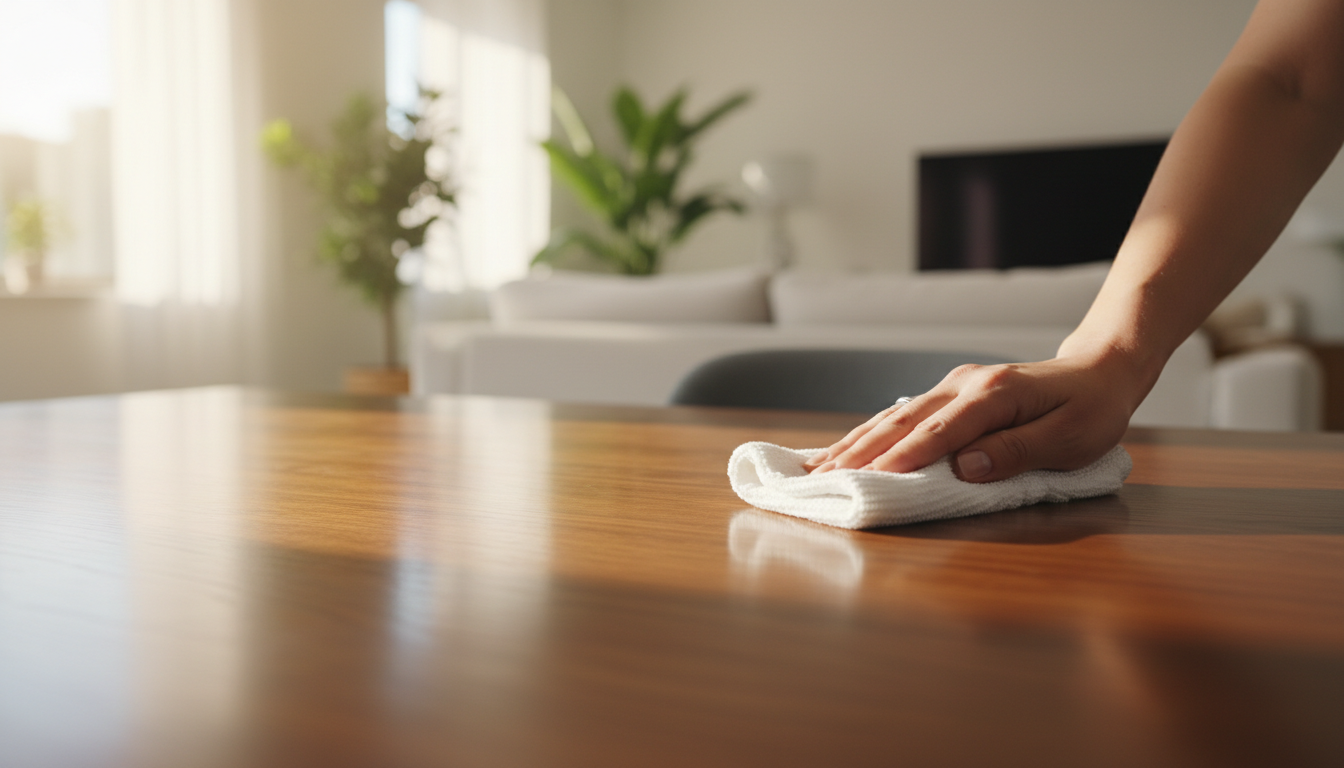
To effectively manage cleaning for allergies, you must move beyond the traditional dusting mindset. The primary goal in our windy, high desert environment is a method called trap and remove. Traditional tools like feather dusters or dry cotton rags are often the biggest culprits in spreading allergens. These tools do not actually eliminate dust; they simply agitate it, launching microscopic particles back into the air. Once airborne, these allergens can take hours to settle, often landing right back where you started or, worse, being inhaled.
The solution is switching to damp cleaning with microfiber. Unlike standard cloth, microfiber is engineered with split fibers that create a massive surface area capable of gripping and holding onto microscopic particles instead of pushing them around. When you lightly dampen these cloths with water or a non-toxic cleaning solution, the moisture creates a physical bond that locks the dust into the fabric. This is equally important for floors; a damp mop is far more effective at capturing fine Carbon County silt than a dry broom.
Always follow a high to low progression during your routine. Start with ceiling fans, the tops of cabinets, and door frames before moving to mid level surfaces like tables and finally the floors. This strategy ensures that any particles disturbed during the process fall onto surfaces you have not cleaned yet. For residents particularly sensitive to these irritants, wearing a simple dust mask during this process provides an extra layer of protection against anything that might momentarily become airborne while you work.
The Essential Toolkit for an Allergy-Proof Home
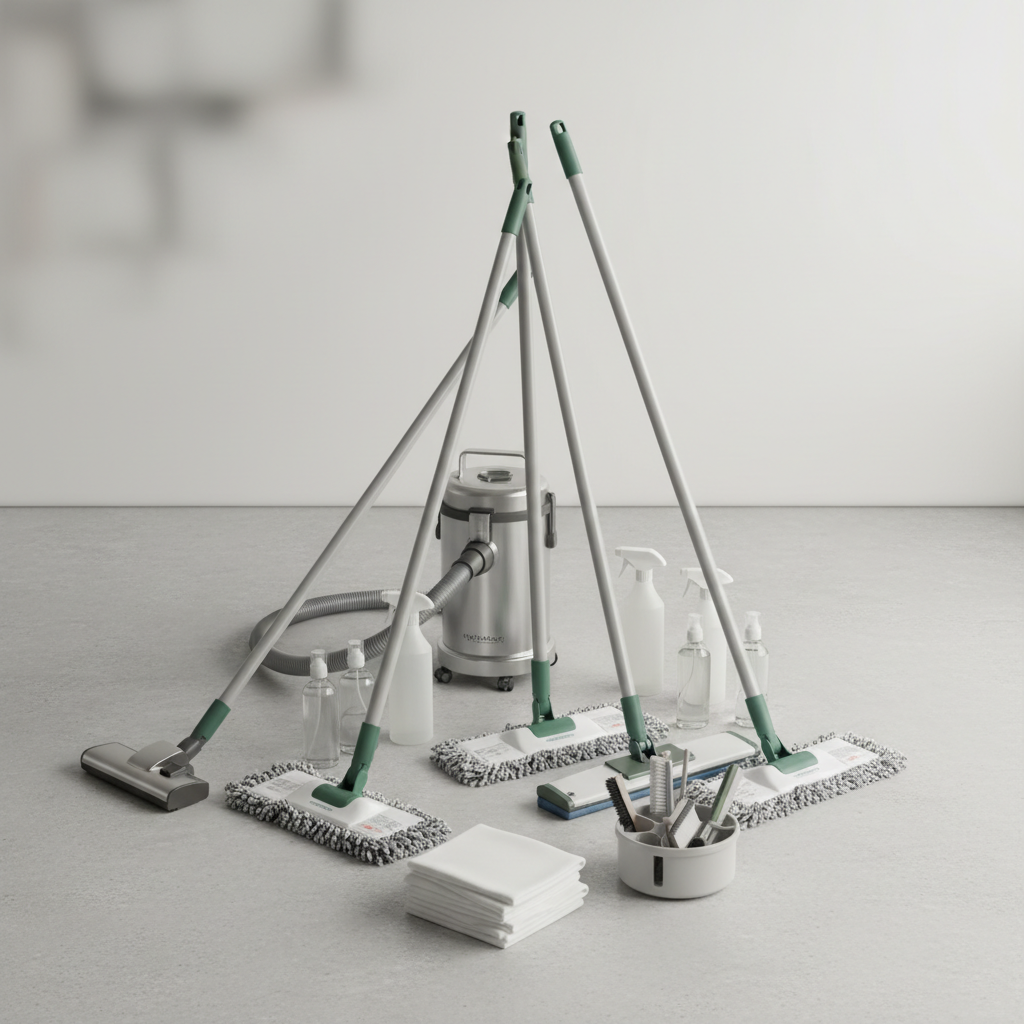
Maintaining a consistent barrier against allergens requires more than just the right technique; it demands the right equipment. While damp microfiber handles surface particles, mechanical filtration is what protects the air you breathe. HEPA (High-Efficiency Particulate Air) filters are the non-negotiable standard for cleaning for allergies in the high desert. These filters are engineered to capture 99.97 percent of particles as small as 0.3 microns, which includes the fine alkaline dust and juniper pollen common in Price and Helper.
Effective allergy management requires HEPA-grade filtration in two specific areas:
The Vacuum: Ensure your vacuum has a sealed HEPA system. Without it, the machine may pull large debris from the carpet while exhausting microscopic allergens back into the room through the exhaust.
The HVAC System: Your furnace filter is the primary defense for your indoor air quality. In our windy climate, these should be checked monthly and replaced more frequently than the standard manufacturer recommendation.
Finally, evaluate your cleaning solutions. Synthetic fragrances found in many commercial cleaners are often volatile organic compounds (VOCs) that irritate sensitive lungs. Opting for fragrance-free or non-toxic cleaning products is essential. When deep cleaning your home, the goal is to remove irritants, not replace them with chemical perfumes. Professional residential cleaning services utilize these higher-grade tools and filtered vacuums to ensure the home remains a safe haven for those with respiratory sensitivities.
Deep Cleaning for Allergies: A Room by Room Strategy
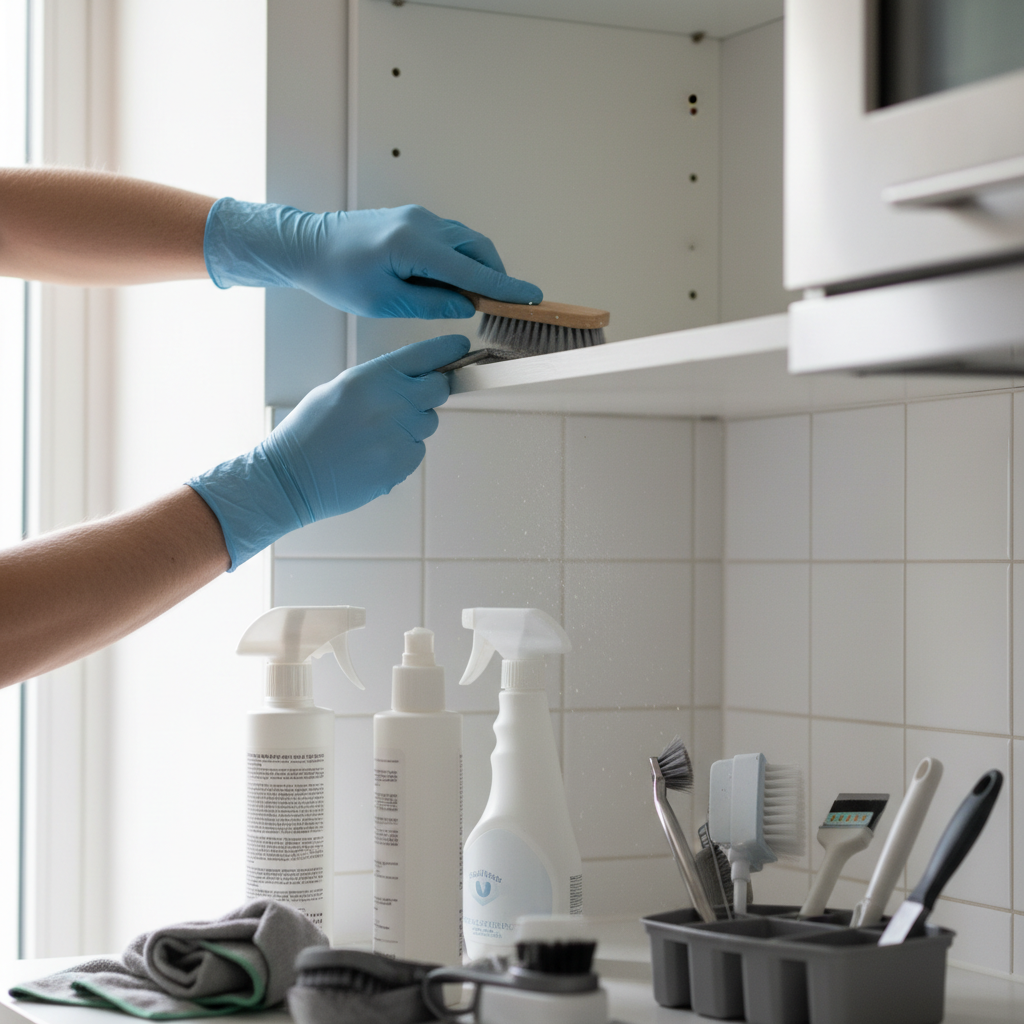
A successful strategy for cleaning for allergies requires a targeted approach for each room, as different areas of the home harbor different types of irritants. Think of a thorough session as a complete reset for your indoor air quality. By systematically removing the buildup that daily tidying misses, you create a baseline that is much easier to maintain.
In the bedroom, the primary focus is the elimination of dust mites. These microscopic organisms thrive in bedding and mattresses. To manage them effectively, wash all sheets, pillowcases, and blankets weekly in water heated to at least 130 degrees Fahrenheit. This temperature is necessary to actually kill the mites rather than just rinsing them away. Additionally, invest in zippered, allergen-proof covers for both your mattress and pillows. These specialized barriers prevent new allergens from nesting in the fabric and keep existing particles trapped inside where they cannot be inhaled.
Living areas often spark the debate between carpet and hard flooring. While hard surfaces like tile or luxury vinyl plank are easier to keep clear of Carbon County silt, carpets can still be managed if you use the right tools. If you have rugs or wall to wall carpeting, they act as a filter, trapping dust deep within the fibers. You must use a high-suction HEPA vacuum at least twice a week to pull these particles out. For hard floors, avoid sweeping, which kicks dust into the air. Instead, use a damp mop to physically lift and remove the fine desert grit. When deep cleaning your home, pay special attention to the baseboards and window tracks where dust frequently settles.
In the kitchen and bathrooms, moisture control is the priority. Mold spores are a potent allergen that can trigger significant respiratory distress. Check regularly under sinks for slow leaks that might dampen the cabinetry. Keeping these hidden areas dry and well ventilated prevents mold from taking hold. Using non-toxic cleaning agents in these spaces ensures you are sanitizing surfaces without introducing chemical fumes into your cooking or bathing areas. If the task of hitting every corner feels overwhelming, professional residential cleaning services can provide the detailed labor required to achieve this level of environmental control.
Managing Pet Allergens in the High Desert
While managing environmental dust is critical, many Carbon County households also struggle with indoor pet dander. Unlike heavier outdoor pollens, pet dander consists of microscopic skin proteins that are incredibly sticky, adhering to walls, fabrics, and even vertical surfaces. To effectively manage cleaning for allergies when you have cats or dogs, consistency is more important than intensity.
Establish a pet free zone by keeping animals out of bedrooms entirely. This prevents dander from settling into the bedding where you spend several hours each night. For common areas, focus heavily on upholstered furniture. Use a high suction vacuum with a dedicated upholstery tool to pull dander out of the fabric fibers rather than just skimming the surface. In our dry high desert climate, dander stays lightweight and mobile. This requires a routine schedule of residential cleaning services or daily maintenance to prevent buildup. Periodic deep cleaning your home remains necessary to reach the dander that clings to baseboards and areas behind furniture where pets frequently lounge.
How to Cure Dust Allergy Triggers with Better Air Quality
Managing pet dander is only half the battle; the invisible environment of your home also dictates how many triggers remain active. Improving indoor air quality is the most effective way to address dust allergy triggers at their source without relying solely on medication. While many Carbon County residents use humidifiers to combat our arid high desert climate, over-humidifying can unintentionally create a breeding ground for dust mites. These microscopic pests thrive when moisture levels exceed 50 percent. To discourage them, use a hygrometer to maintain indoor humidity strictly between 30 and 50 percent.
Airflow management is equally vital for environmental control. Dust often settles inside air vents and registers, where it is recirculated every time the furnace kicks on. Ensure all vents are clean and unobstructed by furniture or curtains to prevent stagnant air pockets where allergens accumulate. If you notice visible buildup on vent slats, it is often a sign that a more thorough deep cleaning your home is overdue. By controlling these environmental factors, you supplement your routine cleaning for allergies and create a space that supports easier breathing year-round.
The Role of Professional Deep Cleaning in Allergy Relief
Maintaining proper humidity and airflow is a vital start, but many homeowners find that microscopic particulates eventually accumulate in places that a weekly routine simply cannot reach. This is where professional residential cleaning services become a necessary component of long term respiratory health. A professional team brings a level of intensity and specialized equipment, such as industrial HEPA filtration and high reach tools, that standard household supplies often lack.
When we perform a deep cleaning your home, we focus on the dust reservoirs common in Carbon County homes. This includes hand-wiping every inch of baseboards, detailing high-reach ceiling fan blades that distribute dust when turned on, and cleaning behind heavy appliances where air circulation is poor. For residents in Price, Helper, and East Carbon, viewing a professional visit as a semi-annual reset is the most effective way to sustain non-toxic cleaning standards. By stripping away months of accumulated high desert dust from every hidden crevice, we lower the total allergen load in the home. This comprehensive reset makes your daily maintenance far more effective, as you are no longer fighting against a backlog of trapped particulates. A specialized approach to cleaning for allergies ensures that your home remains a sanctuary rather than a source of irritation.
Creating a healthier, allergy-proof home in Carbon County is all about consistency and attention to detail. While these regular habits make a massive difference in your daily comfort, keeping up with deep cleaning can be a time-consuming challenge. If you want expert help maintaining a pristine environment, we would love to assist you. You can learn more About our dedicated team and our commitment to quality service. We are here to help you enjoy a cleaner, more breathable living space.